

Laminated glass is a type of safety glass that is widely used in various architectural and automotive applications. As a leading laminated glass supplier, we are often asked about the building code requirements that our products need to meet. In this blog post, we will explore the key building code requirements for laminated glass and how our products comply with these regulations.
1. Impact Resistance
One of the most important requirements for laminated glass in building applications is impact resistance. Building codes typically classify buildings based on their occupancy and location, and specify different levels of impact protection accordingly. For example, in areas prone to hurricanes or tornadoes, laminated glass is required to withstand the impact of flying debris.
The ASTM (American Society for Testing and Materials) standards play a crucial role in defining impact resistance requirements. ASTM E1886 and ASTM E1996 are commonly used to evaluate the ability of laminated glass to resist missile impact. These tests simulate the impact of wind - borne debris and require the glass to remain intact or at least retain its integrity to prevent penetration into the building.
Our company offers SGP Laminated Glass, which is known for its high - strength interlayer. The SGP (SentryGlas Plus) interlayer provides superior impact resistance compared to traditional PVB (Polyvinyl Butyral) interlayers. This makes our SGP laminated glass an excellent choice for buildings in high - risk areas where meeting strict impact resistance codes is mandatory.
2. Fire Resistance
In many commercial and public buildings, fire resistance is a critical consideration. Building codes often specify the minimum fire - rating requirements for different types of compartments within a building. Laminated glass can be designed to provide fire protection, and there are different levels of fire - rated laminated glass available.
The UL (Underwriters Laboratories) fire - rating system is widely recognized in North America. Fire - rated laminated glass can be classified into different categories such as 20 - minute, 45 - minute, 60 - minute, etc., depending on the time it can resist the passage of fire and hot gases. This is achieved through the use of special interlayers and glass compositions.
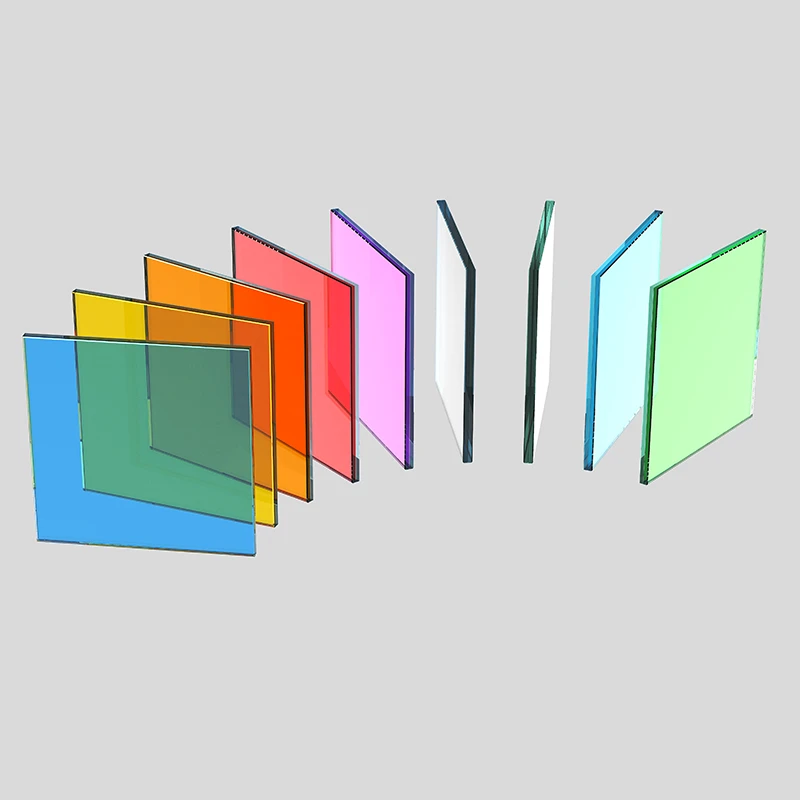
Our Colored Interlayer Laminated Glass can also be engineered to meet specific fire - rating requirements. We work closely with architects and engineers to ensure that our products meet the exact fire - resistance needs of their projects, while also providing aesthetic appeal.
3. Sound Insulation
In urban environments and buildings located near noisy areas such as airports or busy roads, sound insulation is an important building code consideration. Building codes may specify the minimum Sound Transmission Class (STC) rating for windows and glass partitions. The STC rating measures the ability of a material to reduce sound transmission.
Laminated glass can offer excellent sound insulation properties due to the damping effect of the interlayer. The interlayer helps to absorb and reduce the transmission of sound waves. Our PVB Laminated Glass is designed to provide good sound insulation, and we can customize the glass thickness and interlayer properties to meet different STC requirements.
4. Structural Requirements
Laminated glass in buildings also needs to meet structural requirements. It must be able to support its own weight as well as any additional loads such as wind loads and snow loads. The design of laminated glass systems, including the glass thickness, interlayer type, and installation method, is crucial to ensure structural integrity.
Building codes often refer to structural design standards such as ASCE 7 (American Society of Civil Engineers) for calculating wind and snow loads. Our engineering team is well - versed in these standards and can provide detailed calculations and design recommendations for our laminated glass products. We offer both Curved Laminated Glass and Flat Laminated Glass, and each is designed to meet the specific structural needs of our customers' projects.
5. Safety and Durability
Safety is at the core of laminated glass design. In the event of breakage, the interlayer holds the glass fragments together, reducing the risk of injury from sharp shards. Building codes require that laminated glass maintain its safety features over its service life.
Durability is also an important factor. Laminated glass should resist environmental factors such as moisture, UV radiation, and temperature changes. Our laminated glass products are manufactured using high - quality materials and advanced production processes to ensure long - term safety and durability. We conduct extensive quality control tests to ensure that our products meet or exceed the safety and durability requirements of building codes.
6. Energy Efficiency
With the increasing focus on sustainable building design, energy efficiency has become a key consideration in building codes. Laminated glass can contribute to energy efficiency by reducing heat transfer and solar heat gain.
Low - emissivity (Low - E) coatings can be applied to laminated glass to improve its energy performance. These coatings reflect infrared radiation, reducing the amount of heat that enters or leaves a building. Our company offers laminated glass with Low - E coatings, which can help our customers meet the energy efficiency requirements of modern building codes.
Contact Us for Your Laminated Glass Needs
As a trusted laminated glass supplier, we understand the importance of meeting building code requirements. Our team of experts is dedicated to providing high - quality laminated glass products that comply with all relevant regulations. Whether you are an architect, contractor, or building owner, we can provide you with the right laminated glass solutions for your project.
If you are interested in learning more about our laminated glass products or have specific building code requirements for your project, please feel free to contact us. We look forward to discussing your needs and providing you with a customized solution.
References
- ASTM International. ASTM E1886 - Standard Test Method for Performance of Exterior Windows, Curtain Walls, Doors, and Impact Protective Systems Impacted by Missiles Simulating Wind - borne Debris in Hurricanes.
- ASTM International. ASTM E1996 - Standard Specification for Performance of Exterior Windows, Curtain Walls, Doors, and Impact Protective Systems Impacted by Missiles Simulating Wind - borne Debris in Hurricanes.
- Underwriters Laboratories. UL Fire - Rating Standards for Glass and Glazing Systems.
- American Society of Civil Engineers. ASCE 7 - Minimum Design Loads and Associated Criteria for Buildings and Other Structures.