

Hey there! I'm a supplier of Digital Printed Frosted Glass, and I've been getting a lot of questions lately about how the digital printing on frosted glass affects the glass's recyclability. So, I thought I'd sit down and write a blog post to share what I've learned.
First off, let's talk about what frosted glass is. Frosted glass is regular glass that has been treated to create a translucent surface. This can be done through a variety of methods, such as sandblasting, acid etching, or using a special film. Frosted glass is commonly used in windows, doors, partitions, and decorative items because it provides privacy while still allowing light to pass through.
Now, let's add digital printing to the mix. Digital printing on frosted glass allows for high-resolution images, patterns, or text to be printed directly onto the glass surface. This technology has revolutionized the glass industry, as it offers endless design possibilities for architects, designers, and homeowners. Whether it's a custom logo, a beautiful nature scene, or an abstract pattern, digital printing can bring any design idea to life on frosted glass.
But here's the big question: how does this digital printing affect the glass's recyclability? Well, it depends on a few factors.
The Type of Ink Used
The ink used in digital printing is a crucial factor in determining the recyclability of the glass. There are two main types of inks used for digital printing on glass: organic and inorganic.
Organic inks are made from carbon-based molecules and are generally more environmentally friendly. They are also easier to remove from the glass surface during the recycling process. However, organic inks may not be as durable as inorganic inks, especially when exposed to harsh environmental conditions.
Inorganic inks, on the other hand, contain metal oxides or other inorganic compounds. They are known for their durability and resistance to fading, making them a popular choice for outdoor applications. However, inorganic inks can be more difficult to separate from the glass during recycling, which can pose a challenge to the recyclability of the printed glass.
Most of the Digital Printed Frosted Glass we supply uses high-quality organic inks that are designed to be easily removable during the recycling process. We work closely with our ink suppliers to ensure that the inks meet strict environmental standards and are compatible with the glass recycling industry.
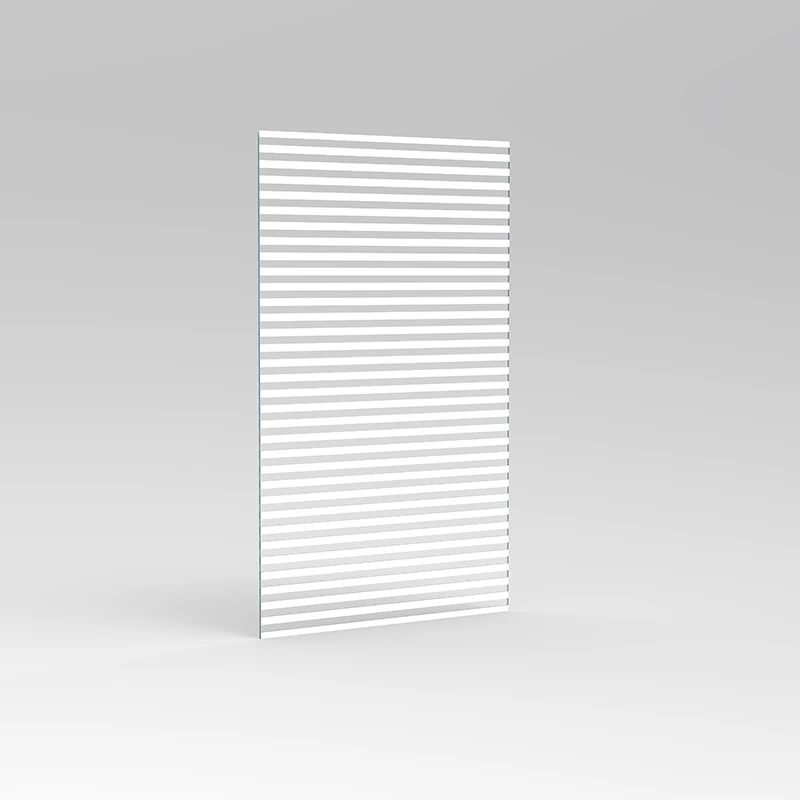

The Printing Process
The printing process itself can also affect the glass's recyclability. Some digital printing methods involve applying a primer or a coating to the glass surface before printing. These primers or coatings can make it more difficult to separate the ink from the glass during recycling.
At our company, we use a state-of-the-art digital printing process that minimizes the use of primers and coatings. This not only reduces the environmental impact but also makes our Digital Printed Frosted Glass more recyclable. Our printing technology ensures that the ink adheres directly to the glass surface, without the need for additional layers that could complicate the recycling process.
The Recycling Infrastructure
Another important factor is the local recycling infrastructure. Different regions have different recycling capabilities and requirements. Some recycling facilities may have the technology and equipment to handle printed glass, while others may not.
In areas where there is advanced glass recycling technology, the printed glass can be processed to remove the ink and other contaminants. The glass can then be melted down and reused to make new glass products, such as bottles, jars, or new sheets of glass.
However, in areas with limited recycling capabilities, the printed glass may be difficult to recycle. In some cases, it may end up in landfills, which is not an ideal outcome for the environment. That's why we always encourage our customers to check with their local recycling facilities to see if they accept Digital Printed Frosted Glass.
The Benefits of Recycling Digital Printed Frosted Glass
Despite the challenges, recycling Digital Printed Frosted Glass is still very important. Recycling glass saves energy, reduces raw material consumption, and helps to reduce the amount of waste sent to landfills.
When glass is recycled, it can be melted down at a lower temperature than virgin glass, which saves a significant amount of energy. Additionally, recycling glass reduces the need to mine and process new raw materials, such as sand, soda ash, and limestone. This helps to conserve natural resources and reduce the environmental impact of glass production.
Our Commitment to Sustainability
As a supplier of Digital Printed Frosted Glass, we are committed to sustainability. We strive to minimize the environmental impact of our products and manufacturing processes.
We use eco-friendly inks and printing methods to ensure that our products are as recyclable as possible. We also work closely with our customers to provide information on how to recycle our Digital Printed Frosted Glass properly.
In addition to our commitment to recyclability, we also offer a range of other sustainable products, such as Full Frosted Glass, which provides excellent privacy and energy efficiency, and Striped Frosted Glass, which adds a unique and stylish touch to any space. You can explore more about our diverse product line at Digital Printed Frosted Glass.
Connecting with Us
If you're interested in incorporating Digital Printed Frosted Glass into your next project, I'd love to hear from you. Whether you're an architect, designer, or homeowner, we have the expertise and products to bring your vision to life.
We offer a wide range of customization options, including different glass thicknesses, printing sizes, and design choices. Our team of experts is always available to answer your questions and provide you with the best solutions for your specific needs.
Don't hesitate to reach out and start a conversation. Let's work together to create beautiful, sustainable spaces with our Digital Printed Frosted Glass.
References
- Glass Packaging Institute. (n.d.). The Benefits of Recycling Glass. Retrieved from [Website URL]
- Environmental Protection Agency. (n.d.). Recycling Basics. Retrieved from [Website URL]
- Ink Manufacturers Association. (n.d.). Types of Inks for Glass Printing. Retrieved from [Website URL]